Jan 9, 2026
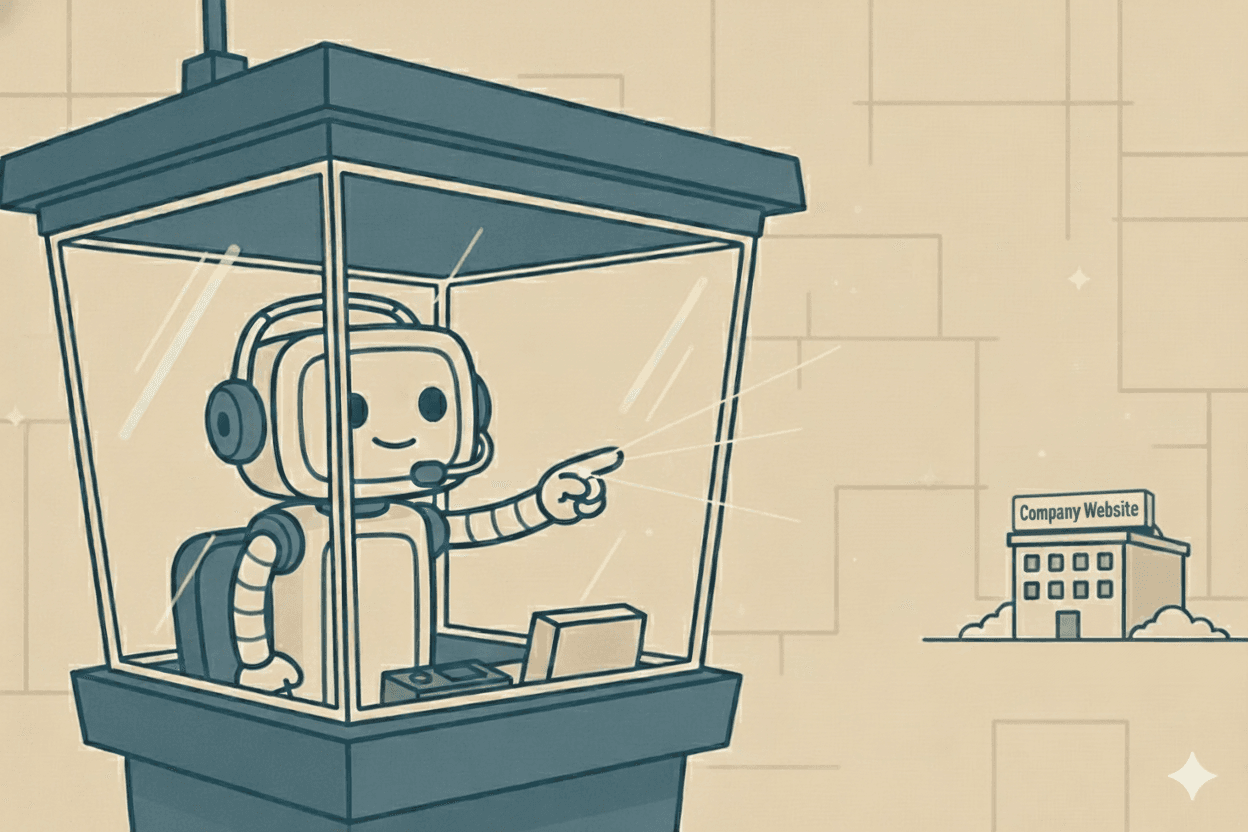
What are we talking to our customers about in preparation for 2026? Here are some different topics and things concerning how we believe the development looks within B2B tech PR and what is worth keeping an eye on before it becomes urgent.
The common thread: the shift from activity to consequence. Less "did we get coverage?" and more "did it lead to anything?"
Your next important reference might come from an AI agent, not a human
Here’s the uncomfortable reality: in many B2B buying journeys today, the buyer never visits your website. An AI agent does the research, compares suppliers, and provides recommendations. The entire research phase happens in a black box.
If you don't exist on the places that the agent trusts, you are invisible before the conversation even begins.
And here’s the number that should sharpen focus: 82% of the links cited in AI-generated responses come from earned media, not brand content, according to a report from MuckRack. Not your website. Not your blog. Coverage.
It changes the math for what PR is worth.
What we tell customers: This is no longer about SEO. It’s about whether AI systems can find credible third-party validation of your claims. Earned media has just become infrastructure.
AI agents make decisions about you, but they act like overconfident juniors
AI agents are fast, confident, and often wrong. They make up features you don’t have. They confuse you with competitors. They present opinions as facts.
The problem: you can't email their boss. You can't request a correction. The only solution is to flood authoritative sources with correct information until the model learns better.
That’s why "Reputation Security" is becoming a real function; monitoring what LLMs say about you and correcting falsehoods before they become reality in the market. Think of it as performance management for AI. When a junior employee consistently makes mistakes, you correct them. When an AI agent does the same thing, for instance, makes up features you don’t have, confuses you with a competitor, the solution is trickier. You need to update the sources it learns from.
What we tell customers: Start asking AI systems questions about your brand regularly. Treat consistent inaccuracies as a crisis to manage, not a curiosity to ignore.
Some companies (us included) are experimenting with synthetic spokespersons
AI-generated experts, avatars, or agents explaining products, commenting on trends, or supporting launches. They don’t replace executives but extend reach.
We’ve done it ourselves. Cruxo, our AI agent, has appeared in press materials and internal workflows. It’s early days. But it’s real.
And it forces us to think carefully about when synthetic voices add clarity and when they risk credibility. That’s a question every PR team will face.
What we tell customers: Decide where you stand before anyone asks. It’s easier to have a position than to improvise one.
For complex stories, a more comprehensive "explainer" may be better than traditional press releases
Just doing a press release isn’t enough when the topic is technical or unknown.
Journalists and buyers need context before they need news. Detailed, structured explanations, timed to regulations, launches, or industry events, give the market something to understand before reacting.
A tactical change worth noting: the emergence of "Citation Hubs," site sections designed not for SEO, but for AI consumption. Definition pages, statistics pages, comparison matrices. Structured so that AI agents can find and cite them.
If you want to appear in AI responses, you need to build the infrastructure that AI relies on.
What we tell customers: If the story needs explaining, explain it first. And make sure the explanation is structured for machines, not just humans.
"Slow PR" thinking is gaining ground
Everyone publishes but few say anything distinctive. The "content mill" with more posts, higher frequency, more AI-assisted volume yields diminishing returns. What breaks through is the opposite: fewer articles, deeper research, stories that AI couldn’t have generated.
A deeply researched, genuinely original story per quarter beats 50 posts that sound like everyone else's.
The question is not "how much can we publish?" It's "what can we say that no one else can?"
What we tell customers: Slow down. Go deeper. Invest in the kind of thinking that takes time – because that’s exactly what AI cannot replicate.
Higher engagement from leadership and CEOs regarding communication
According to USC Annenberg's Communications Report, 92% of leaders in communication say they are sought by CEOs and leadership teams more than before.
It’s not because PR got louder. It’s because reputation, trust, and AI-driven visibility have become strategic issues.
PR leaders who understand narrative, technology, and risk are involved in decisions earlier.
What we tell customers: If you’re not already in those conversations, find your way in. The window is open.
Reddit shapes what AI says about you
One thing we tell customers to pay attention to that most PR strategies overlook: Reddit.
It’s not just about Google showing Reddit threads in search results, although that’s true. It’s about Reddit now being one of the most cited sources on AI platforms. Perplexity ranks Reddit as its top source. ChatGPT and Google AI Overviews have it among their top three. In some cases, a single Reddit thread has appeared in 15% of all AI-generated responses about a company.
When someone asks an AI, "What is the best tool for [your category]?" the answer is often shaped by what is said on Reddit.
Negative threads ranking for your brand can lower conversion rates by 15–30% when prospects come across them during their research. And you can’t control Reddit like you might manage other channels – official company responses often backfire.
What we tell customers: Search for your brand on Reddit. See what comes up. Build monitoring before you need it. And if there’s a problem, focus on being genuinely helpful in communities – not defensive.
Do you want to discuss what this means for your planning for 2026? Please reach out